Gender development in children’s early childhood plays a vital role in terms of building a strong sense of self and belonging. Furthermore, early gender development influence children’s later ability to process emotion and engaging in healthy relationships.
When Do Gender Development Begin?
Children begin to develop their sense of gender as early as in their infancy. Babies develop their awareness of gender by observing and interacting with adults. As they grow older, they then begin to understand their gender identity, gender expectations, etc.
Do Gender Difference Exist in Early Childhood?
YES. Gender difference appears in children’s play choices and behaviours in their early childhood. Studies shows that for babies up to 14 months, there are no gender differences; however, from toddlerhood (1-3 years) to early childhood (3-6 years), boys and girls begin to show difference in their play behaviours.
Are We Gender Stereotyped?
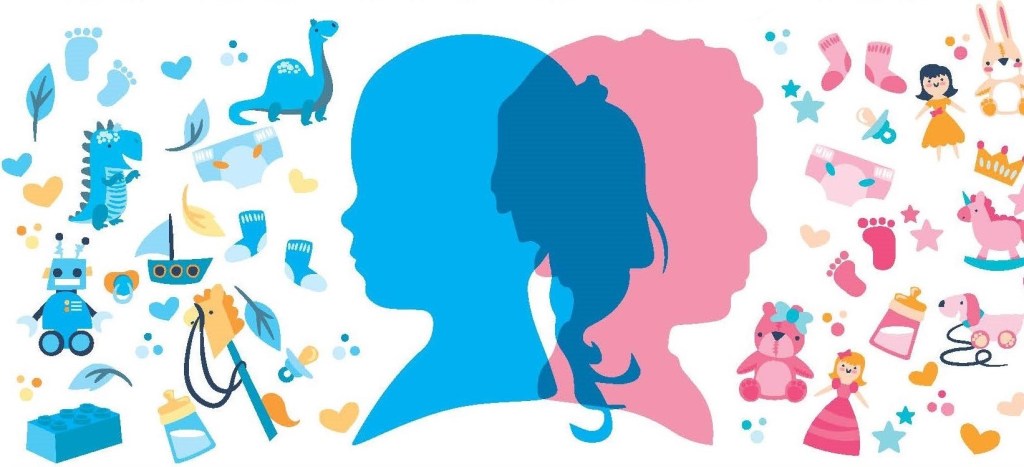
Our world is filled with gender stereotyped messages – clothing and toys are usually in pink or blue, to symbolize the target gender. In this environment, it can be more challenging to resist gender stereotypes, and it is more important for parents to play a positive role in children’s gender development in early childhood.
What We Can Do?
Here are some ideas for parents to foster a healthy gender development for their pre-schoolers (3-6years):
- Read books with children that shows boy and girl (men and women) in non-stereotypical, for example, males as caregivers, female as firefighters, etc.
- Offer all children a wide range of toys and activities to play with, including dolls, dramatic play set, vehicles, blocks, puzzles, singing, dancing, dressing up, wrestling, etc.
- Interact with children in the same way, provide equal opportunities for all children in the play. For example, invite both girls and boys to play in home corner or play in the sandpit with trucks.
- Respect children’s choices of friend groups and activities. Communicate with them to check on their preferences and make sure they feel safe and secure in their social group.
This work is my own work and does not represent the views of Macquarie University staff or students.


